Refurbished vs Used Phones: What's the Difference and Which Should You Buy?
When shopping for a budget-friendly smartphone, you've probably come across two common terms: "refurbished" and "used." They're often treated as the same thing, but they're actually quite different, and understanding that difference can save you from buyer's remorse. Here's a clear breakdown of what each term really means, and which option makes more sense depending on your needs.
What Does "Used" Actually Mean?
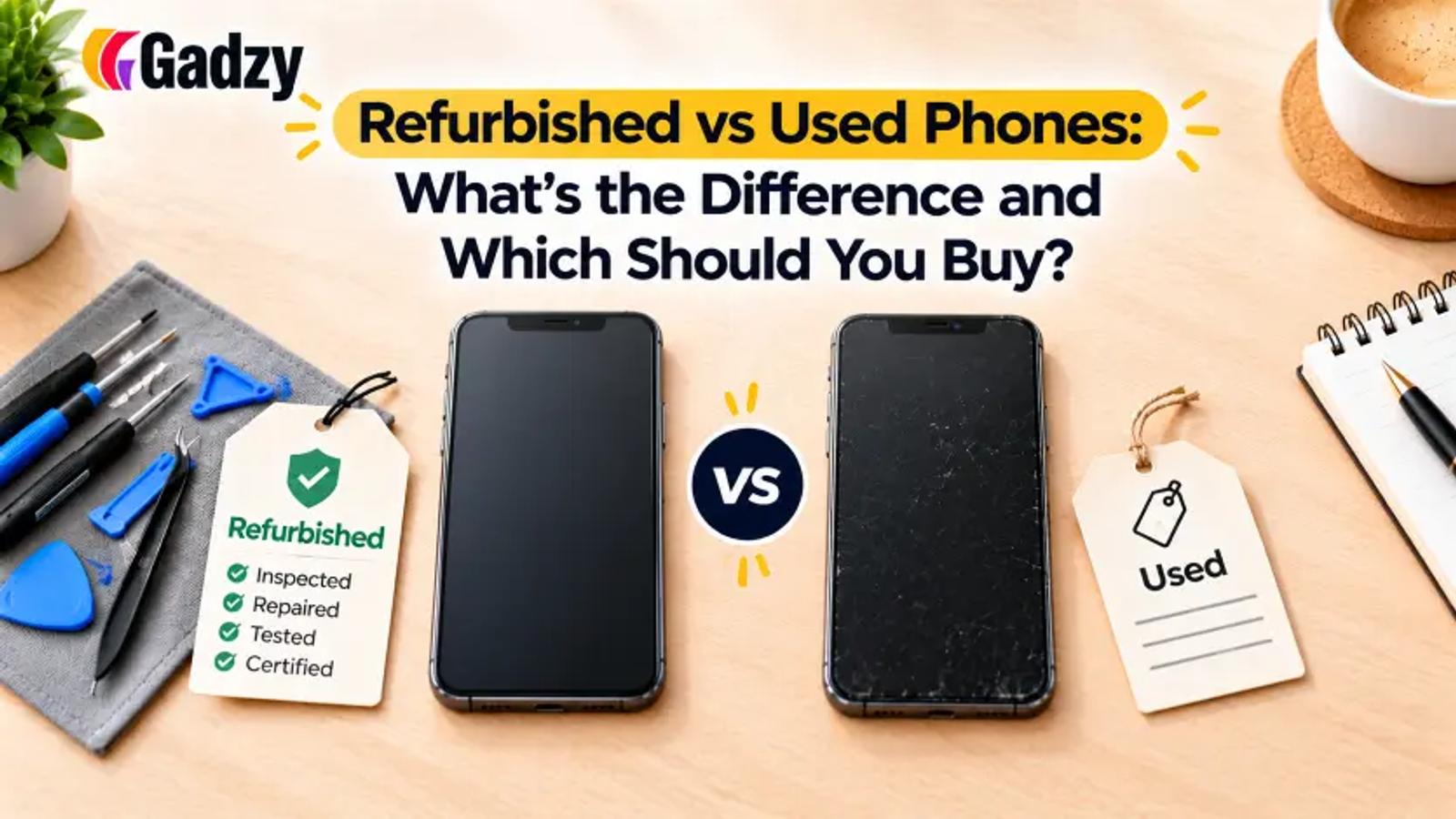
A used phone is simply a device that has previously belonged to someone else and is being resold as-is, without any professional inspection, repair, or quality certification. It could be in excellent condition, or it could have hidden issues the seller isn't even aware of. Used phones are typically sold through private listings, classifieds, or informal old mobile sale platforms, where the buyer takes on more responsibility for verifying the device's condition before purchasing.
Key characteristics of used phones:
- Sold as-is, with minimal or no quality checks
- Often cheaper than refurbished options
- Condition and reliability can vary significantly
- Usually no warranty or return policy
What Does "Refurbished" Actually Mean?
A refurbished phone, on the other hand, has gone through a structured inspection and repair process before being resold. This typically includes diagnostic testing, replacing faulty components (like batteries or screens), thorough cleaning, and software resets. Refurbished phones are often graded by condition (such as "Excellent," "Good," or "Fair") so buyers know exactly what to expect.
Key characteristics of refurbished phones:
- Professionally inspected and repaired
- Often come with a short warranty period
- Clearly graded based on cosmetic and functional condition
- Generally more expensive than used phones, but more reliable
The Core Difference
The simplest way to think about it: a used phone is sold "as-is" by its previous owner or a reseller with no guarantees, while a refurbished phone has been professionally restored and verified before resale. This difference directly affects price, reliability, and peace of mind.
Which One Should You Buy?
The right choice depends on your priorities, budget, and risk tolerance.
Choose a Used Phone If:
- You're working with a tighter budget
- You're comfortable inspecting the device yourself or buying from someone you trust
- You're buying a very recent model where the risk of major issues is lower
- You don't mind skipping a warranty
Choose a Refurbished Phone If:
- You want peace of mind with a warranty or return policy
- You'd rather not deal with uncertainty about hidden damage
- You're buying an older model where component wear is more likely
- You're okay paying a bit more for verified quality
How to Avoid Getting a Bad Deal Either Way
Regardless of which option you choose, a few precautions apply universally:
- Always check the IMEI status to confirm the phone isn't blacklisted
- Test all core functions — camera, speaker, charging port, buttons
- Check battery health, especially for refurbished phones being sold as "like new"
- Buy from a seller or platform with a clear return or dispute policy
- Avoid deals that seem unusually cheap for the model and condition
Where to Find Reliable Options
If you're exploring an old mobile sale listing or considering a refurbished unit, it helps to use a platform that offers transparency on both sides. Instead of guessing whether a used phone has hidden issues, or paying extra for a refurbished device without knowing exactly what was repaired, platforms built specifically for phone resale tend to provide clearer condition grading and more accountability than informal classifieds.
This is where gadzy fits in — supporting both buyers looking for verified devices and sellers running an old mobile sale of their own, with transparent condition details so you know exactly what you're getting before you commit.
Final Thoughts
Refurbished and used phones aren't the same, and knowing the difference can help you avoid overpaying or ending up with a device that has hidden problems. If budget is your main concern and you're confident in checking the phone yourself, a used device from a trusted old mobile sale listing can work well. If reliability and peace of mind matter more, a refurbished phone is usually worth the extra cost.
Frequently Asked Questions
1. Do refurbished phones come with a warranty?
Most refurbished phones come with a short warranty period, typically ranging from a few weeks to a few months, depending on the seller or platform. Used phones sold privately usually don't offer any warranty.
2. Is a refurbished phone as good as a new one?
A well-refurbished phone can perform just as reliably as a new one, since faulty components are typically replaced during the refurbishment process. However, cosmetic wear may still be present depending on the condition grade.
3. Is it riskier to buy from an old mobile sale listing than a refurbished platform?
Generally, yes, since private listings don't undergo professional inspection. It's not necessarily unsafe, but it requires more effort from the buyer to verify the phone's condition and IMEI status before purchasing.